
¿What we do at Valtria?
At Valtria, we deliver custom solutions for the design and installation of cleanrooms covering everything from the initial concept to commissioning and certification. As part of our turnkey offering, we provide a wide range of services to build and equip your facilities, ensuring comprehensive solutions adapted to your specific needs.
Learn more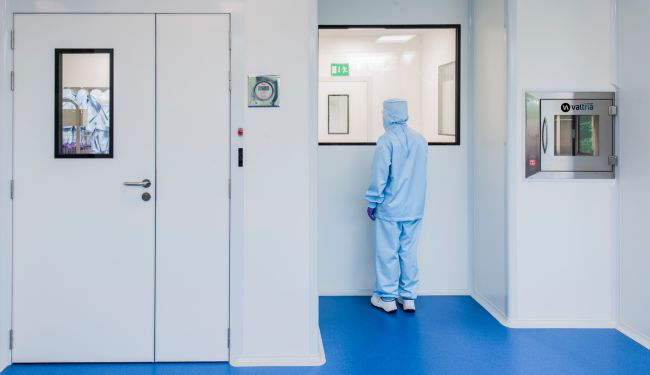
_

Clean environment architecture
We specialize in HVAC systems, enclosures, panels, false ceilings, flooring, lighting, Pass boxes, Air showers, Air locks, Clean utilities, and black utilities.


Air treatment for critical areas
Temperature and humidity control, air filtration, laminar flows, weighing booths, and sampling booths.


Fluids for clean processes
Compressed air, N₂, O₂, alcohol, RO/DI water, purified water, injectables, clean steam, and more.


Industrial services
Electricity, industrial steam, dust collection, control, and automation.


Specialized equipment
Autoclaves, biowaste systems, decontamination units, and more.

Scope of our solutions_
As part of our turnkey solutions, we offer a wide range of services to construct and equip your facilities.
Discover our solutionsm² of cleanrooms designed and installed
+ kfacility validation
%years partnering with our clients
+Biopharmaceutical
Sterile and non-sterile pharmaceutical products, compliant with GMP, FDA, and EMEA standards.
Learn moreBiosafety
Research laboratories handling class 2, 3, and 4 pathogens (bacteriology and virology).
Learn moreR&D
Nanotechnology: ISO class 5 or higher cleanrooms for nanophotonics, nanobiotechnology, and more.
Learn moreHigh-Tech
Electronics for automotive, defense, aerospace, and semiconductor applications.
Learn moreFood Processing
Handling and packaging of cooked, cured products, and cheeses.
Learn moreHealthcare
Microbiological containment, protecting both patients and professionals.
Learn moreOur projects
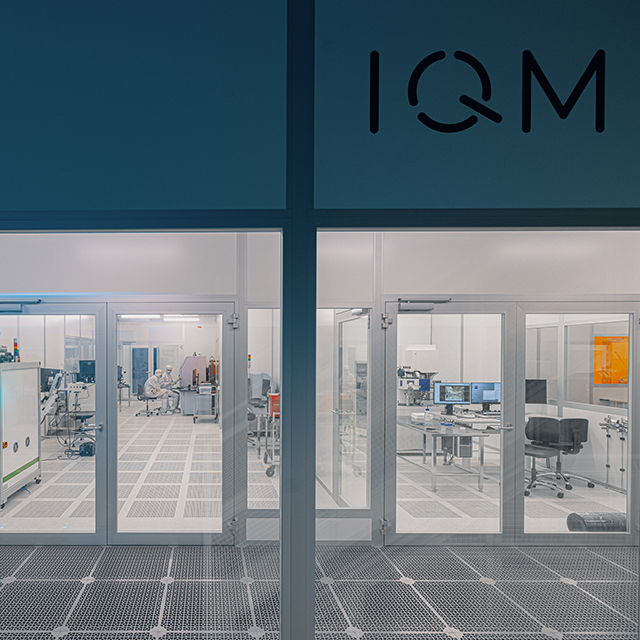
IQM
Microelectronics
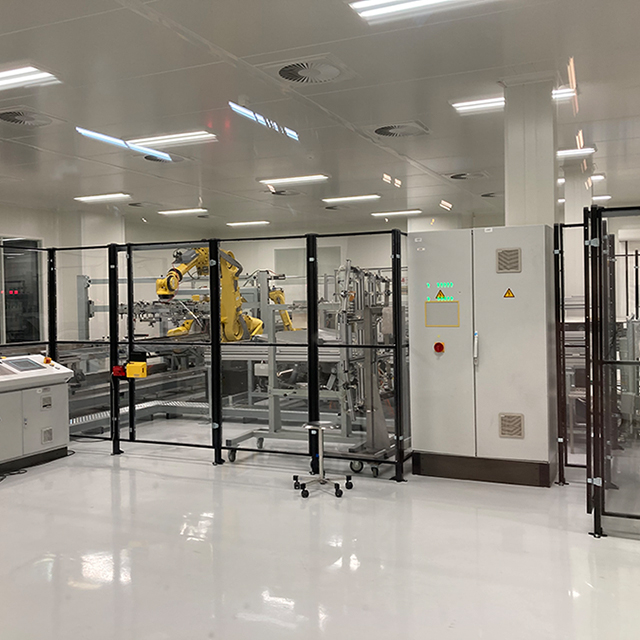
Saint-Gobain Sekurit
Automotive
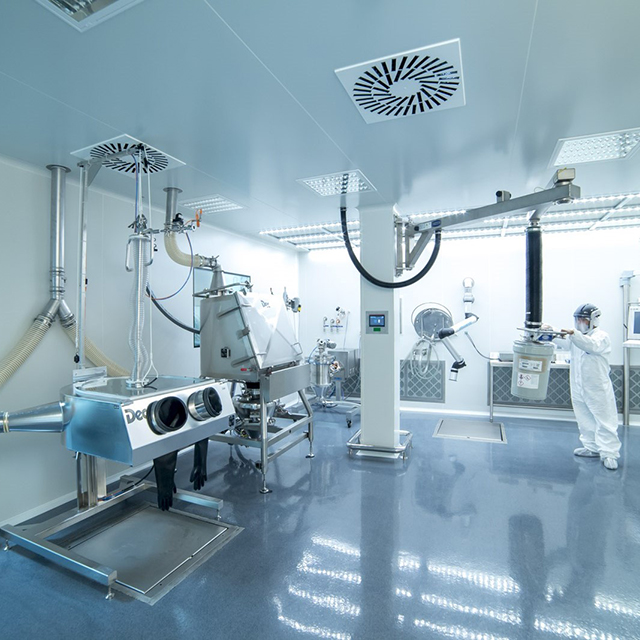
Roche
Biopharmaceutical
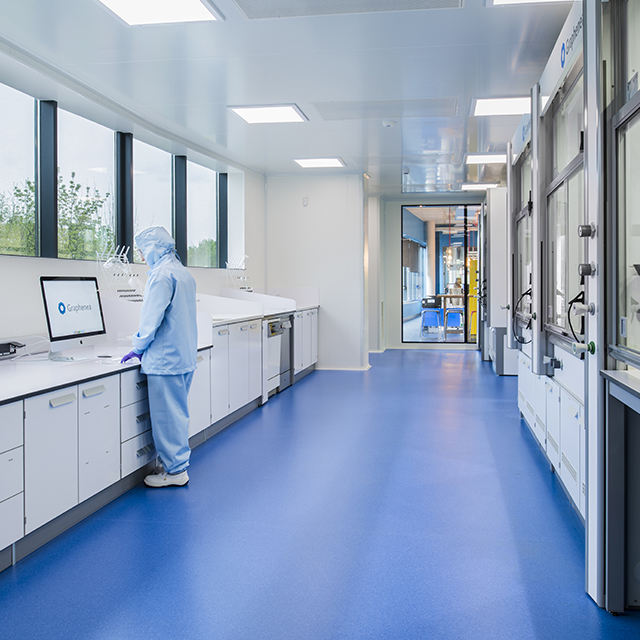
Graphenea
Microelectronics
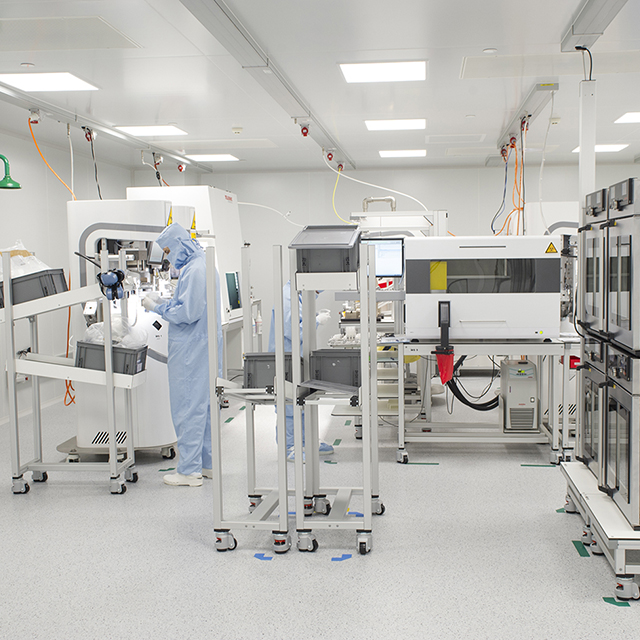
Qiagen
Biotechnology
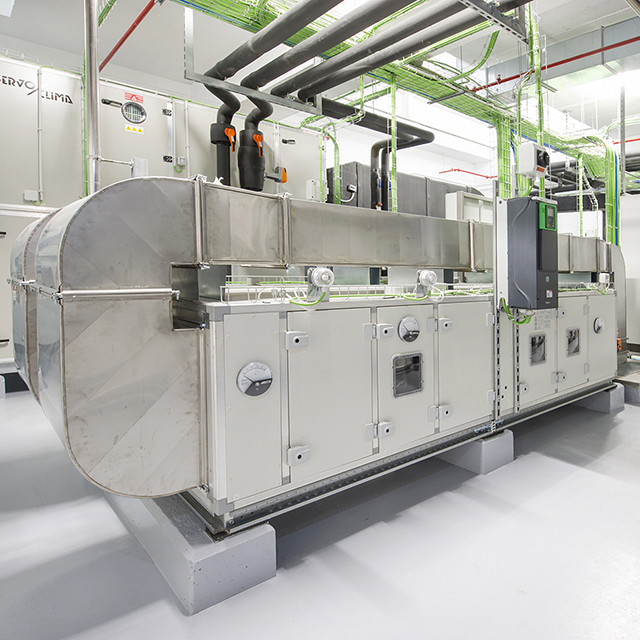
Grupo MERCK
Biopharmaceutical
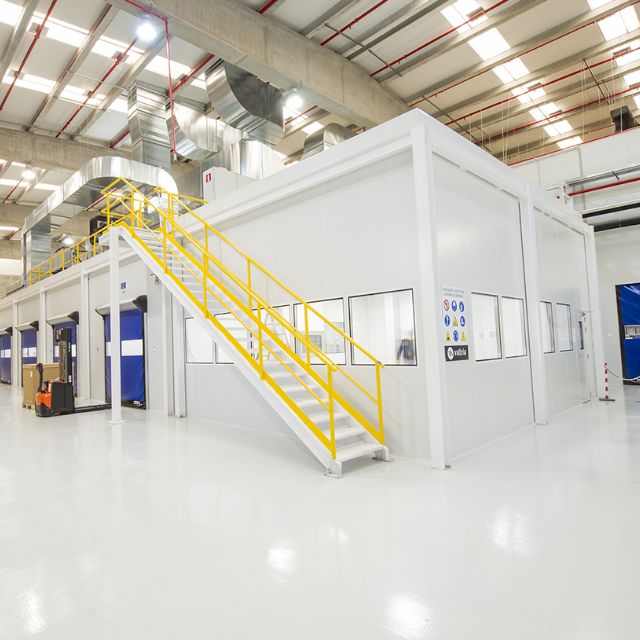
H&T Presspart
Medical Devices
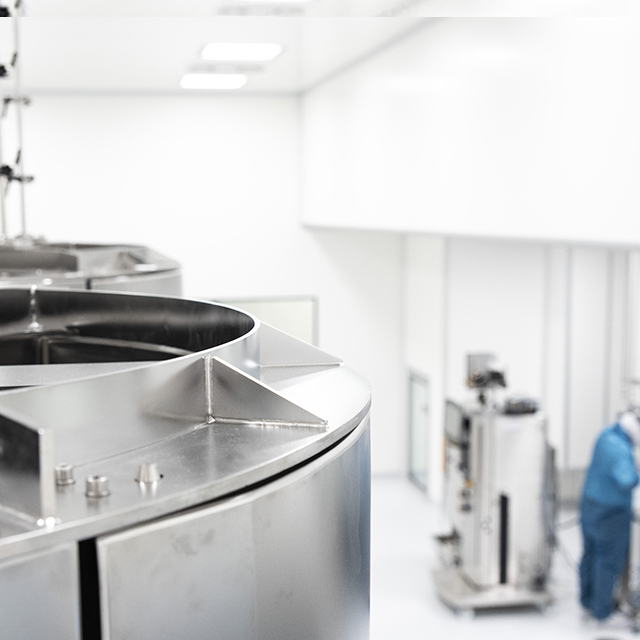
Mabxience
Biotechnology
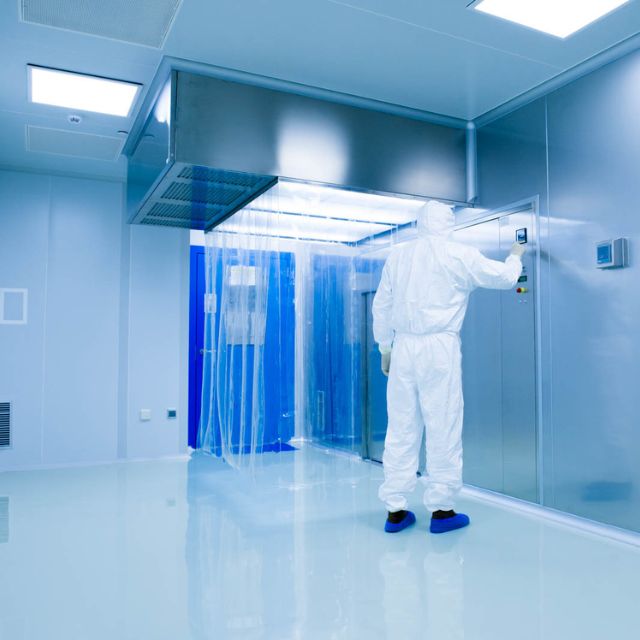
Merck Serono
Biopharmaceutical
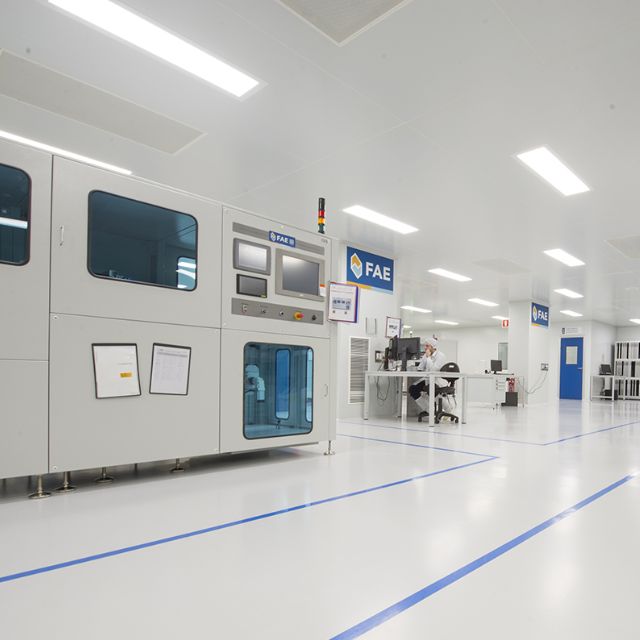
FAE
Automotive
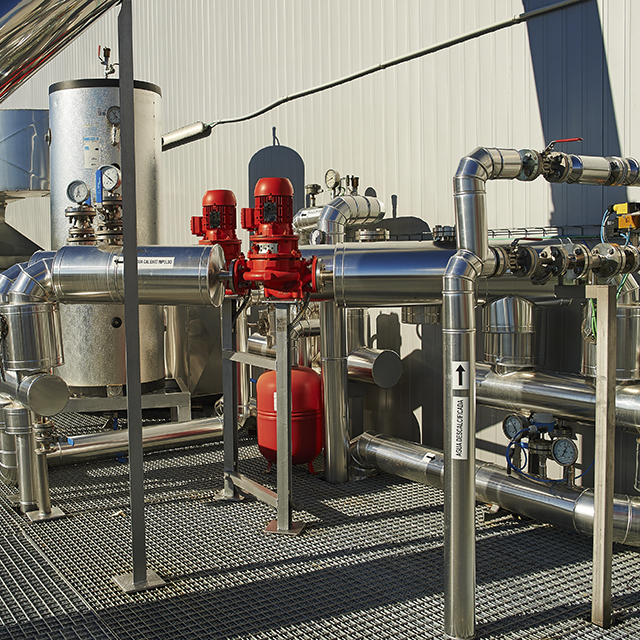
Fushima
Cosmetics
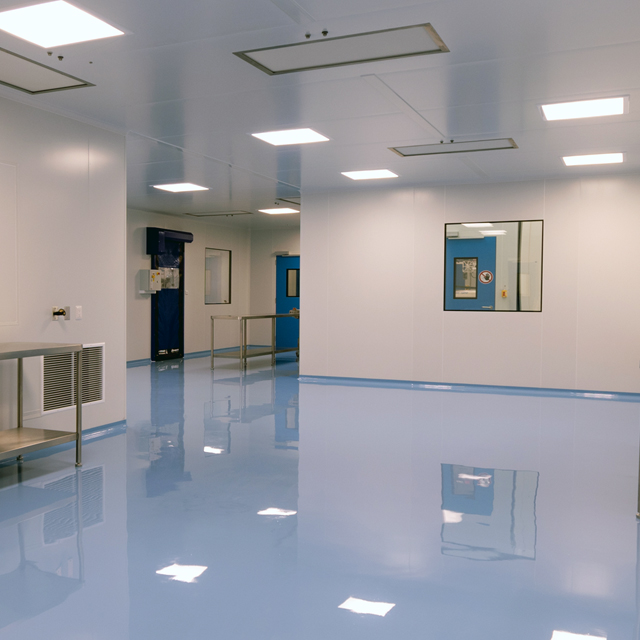
JB TECNICS
Biopharmaceutical
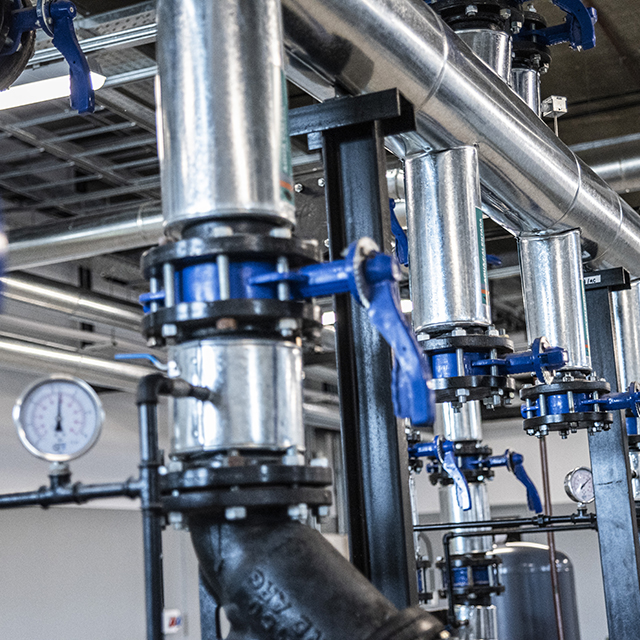
Casasco
Biopharmaceutical
Our clients_



























































Do you have a project in mind?
Let´s talk!Latest news_
Stay up-to-date with the latest from Valtria.
The Mechanism of Action of Advanced Therapy Medicinal Products: It’s Not Magic
Cleanrooms for Semiconductor Manufacturing: When Engineering Becomes the Process
CAPEX vs OPEX in GMP Facilities for Advanced Therapies
New BIM Assistants in Cleanroom Design
Microelectronics – Technical Advances in Cleanrooms
Ultra-Clean Rooms in the Semiconductor Industry
Textile Ducting in Cleanrooms for the Food Industry
Key Considerations in Cleanroom Design, Construction and HVAC for the Cosmetics Industry under Current Regulations
Contact us with any questions
We’re here to help with any questions and concerns.