
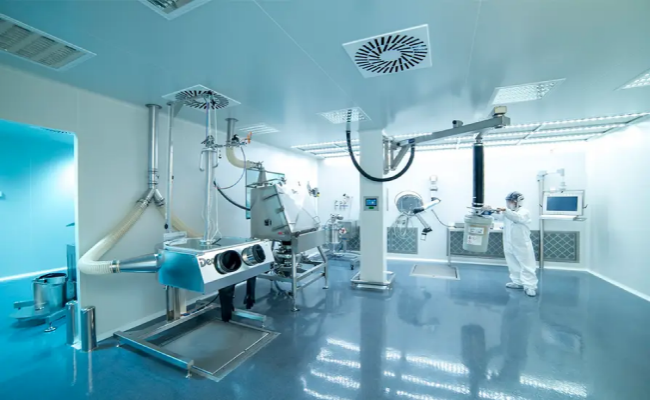

The design of a cleanroom is an engineering process aimed at ensuring contamination control in environments where even small particles can affect product quality or disrupt the proper functioning of the process.
Cleanrooms
What are cleanrooms used for?_

Biotechnology

Medical Devices & Healthcare

Microelectronics

Aerospace

Biopharmaceutical

Biosafety

Cosmetics

R&D (Research & Development)

Automotive
_

Types of cleanrooms
Different cleanroom configurations are available depending on the level of environmental control required for each facility. See cleanroom types and construction solutions.


ISO 14644 classification
ISO classification defines cleanliness levels based on airborne particle concentration and determines the design requirements of the facility. See cleanroom classification.


Cleanroom regulations
Cleanrooms are governed by standards and regulations such as ISO 14644 and GMP for industrial and pharmaceutical environments. See cleanroom regulations.


Cleanroom design
Cleanroom design integrates HVAC systems, filtration, and environmental control according to process requirements, ISO classification, and facility conditions. See cleanroom design.

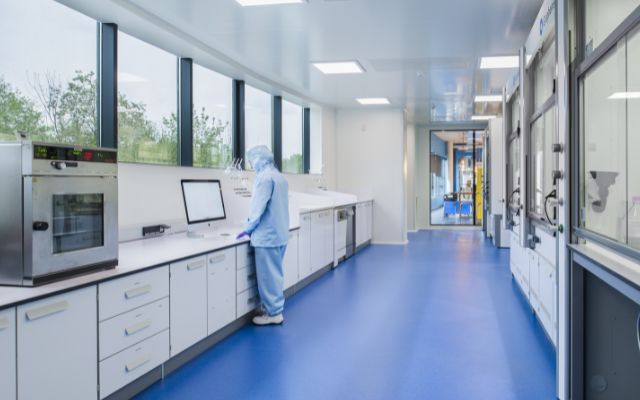
Design and construction of cleanrooms
The design and construction of cleanrooms require an integrated approach combining engineering expertise, regulatory compliance, and process knowledge.
At Valtria, we design and build cleanrooms tailored to each process, developing customized projects that integrate environmental control, operational efficiency, and regulatory compliance.
If you need to define or optimize a cleanroom for your process, we can help you analyze the technical and regulatory requirements.
_
Contact us with any questions
We’re here to help with any questions and concerns.